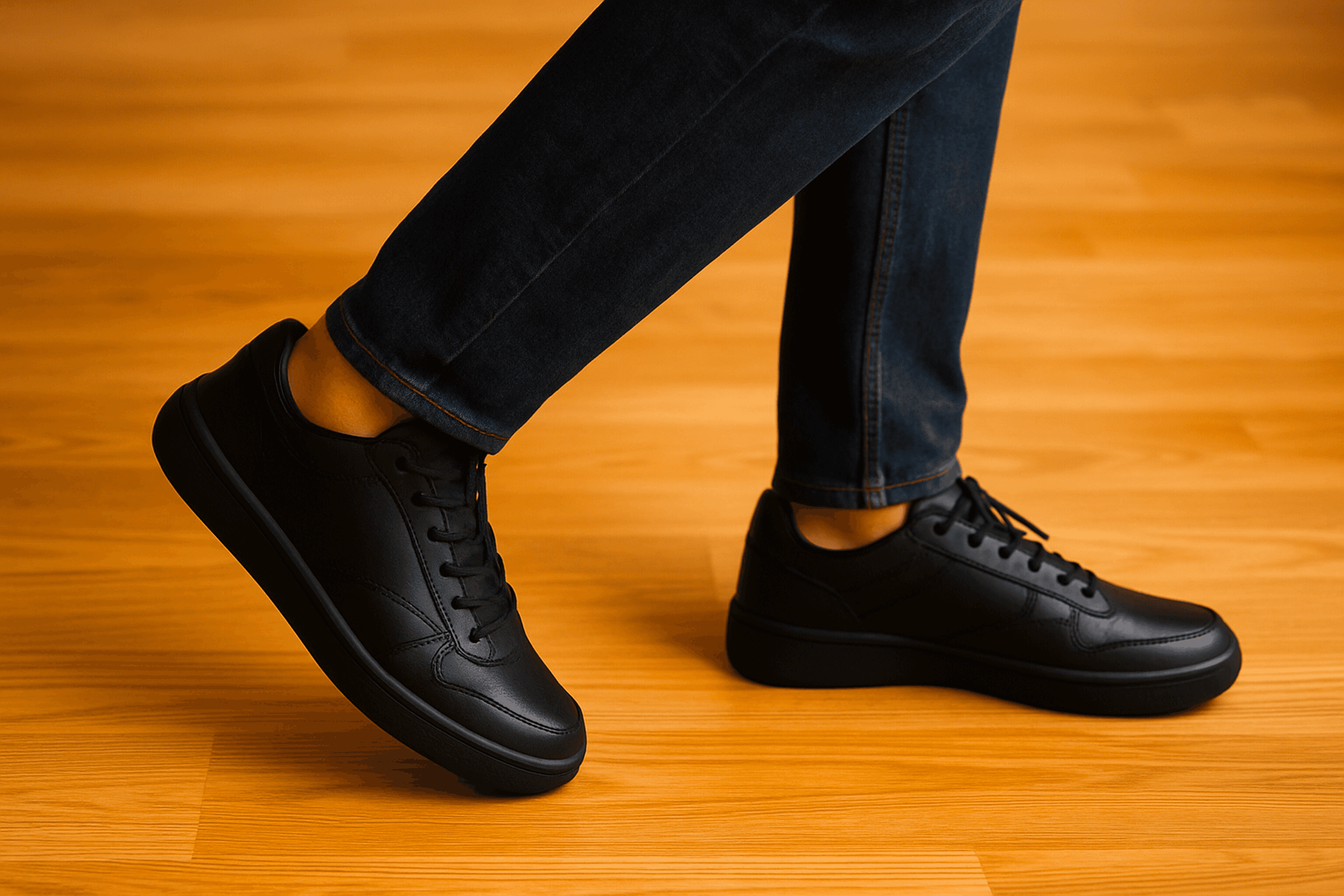


Classic everyday sneaker with timeless style
Smooth leather upper for durability
Nike Air cushioning for all-day comfort
Rubber outsole with reliable traction

Iconic chukka boot for casual wear
Soft suede leather molds to your feet
Cushioned crepe-style sole for comfort
Simple two-eyelet design never goes out

Premium cap-toe Oxford for formal attire
Premium calfskin leather construction
Goodyear welted sole for longevity
Timeless design suited for suits and more

Rugged waterproof boot for work or winter
Waterproof leather and sealed seams
400g insulation keeps feet warm
Padded collar and support for comfort
Reliable running shoe for daily training
Responsive Zoom Air foam cushioning
Breathable mesh upper keeps feet cool
Durable rubber outsole for high mileage

Iconic canvas sneaker for everyday style
Classic canvas upper in high or low top
Vulcanized rubber sole with grip pattern
Lightweight, simple design across generations

Classic leather boat shoe for laid-back looks
Hand-sewn leather upper with 360° lacing
Non-marking rubber sole with wave-cut grip
Easy slip-on comfort for barefoot wear
Classic everyday sneaker with timeless style
Smooth leather upper for durability
Nike Air cushioning for all-day comfort
Rubber outsole with reliable traction
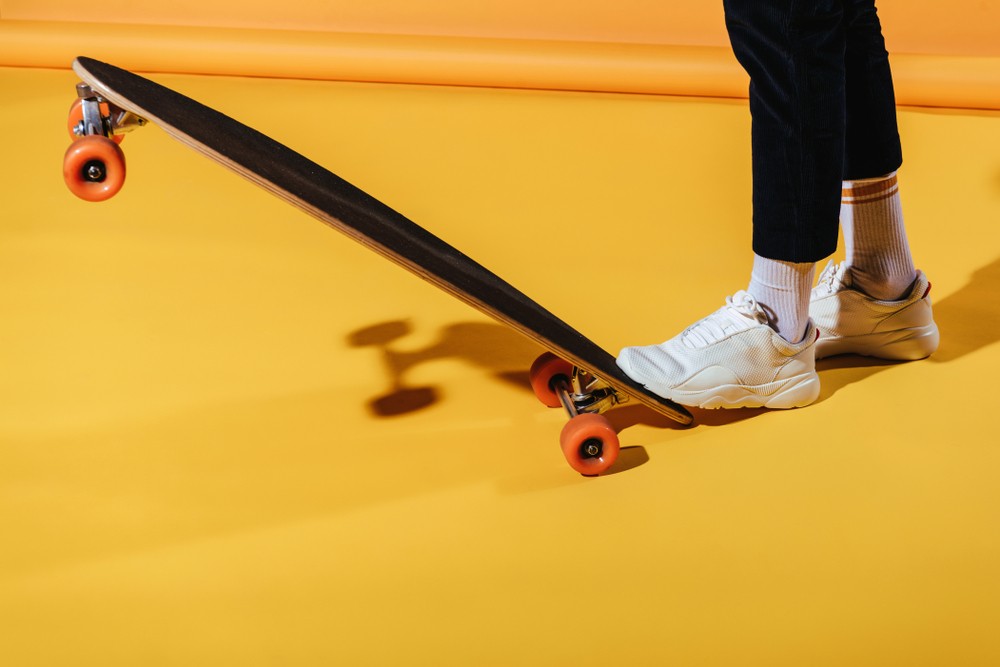
Nike Air Force 1 is a sneaker that every generation recognizes. Launched as a basketball shoe decades ago, it has since transcended the court to become a worldwide style icon. The low-top version, especially in its classic all-white color, is celebrated for its clean, timeless look. Its upper is made of sturdy leather that holds up well to daily wear, while perforations in the toe area help keep it breathable. Despite its roots in athletics, the Air Force 1 easily pairs with jeans, shorts, or even casual slacks, making it a go-to choice for countless people. The design manages to feel both retro and modern at the same time, so you can dress it up or down as needed.
Beyond style, the comfort and build quality of the Air Force 1 make it a solid value. The shoe features Nike’s famous Air cushioning technology embedded in the sole, giving each step a bit of responsive bounce. This means you can be on your feet for hours running errands or exploring the city without feeling as much fatigue. The rubber outsole has a tried-and-true pivot-circle tread originally meant for basketball courts, which now provides dependable traction on sidewalks and everyday surfaces. If you’re looking for an everyday sneaker that combines heritage, comfort, and durability, the Nike Air Force 1 hits the sweet spot. It’s best for someone who wants a fashionable sneaker that’s easy to wear all day and doesn’t compromise on comfort or quality.
Iconic chukka boot for casual wear
Soft suede leather molds to your feet
Cushioned crepe-style sole for comfort
Simple two-eyelet design never goes out
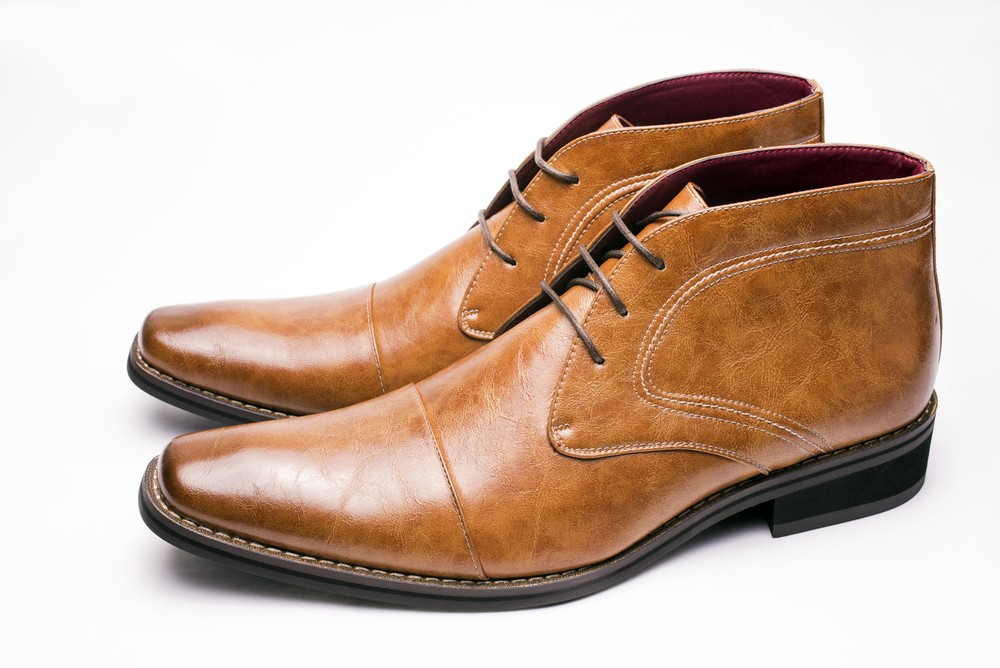
The Clarks Desert Boot is an enduring classic in men’s footwear. First introduced in the 1950s, this simple two-eyelet chukka boot has changed very little over the years – and for good reason. Its timeless design features a mid-height profile that sits just above the ankle, offering a sharp look that’s still relaxed and casual. Typically crafted with a suede leather upper (often seen in a beeswax leather or sandy suede finish), the Desert Boot conforms to your feet over time, making it more comfortable with each wear. The unlined leather and suede are breathable and soft, which means these boots don’t require a heavy break-in period like many other leather shoes. You can wear them with jeans, chinos, or even dressier trousers and they always seem to fit right in, adding a touch of laid-back sophistication to your outfit.
One of the notable features of the Clarks Desert Boot is its crepe rubber sole (or modern variants of it). This sole is thick and springy, providing a cushioned feel underfoot that sets the Desert Boot apart from harder-soled dress shoes or boots. That cushioning makes them ideal for all-day wear when you’re on your feet, whether you’re sightseeing on vacation or heading out for a casual dinner. The grip is decent for normal use, and while the crepe sole can wear down after extensive use, it usually takes a long time and can often be replaced or repaired. These boots are best for someone who wants an everyday boot that can transition from a casual office setting to weekend outings. They offer a great balance between style and comfort, and they come at a price point that offers excellent value for a shoe you can rely on year-round.
Premium cap-toe Oxford for formal attire
Premium calfskin leather construction
Goodyear welted sole for longevity
Timeless design suited for suits and more
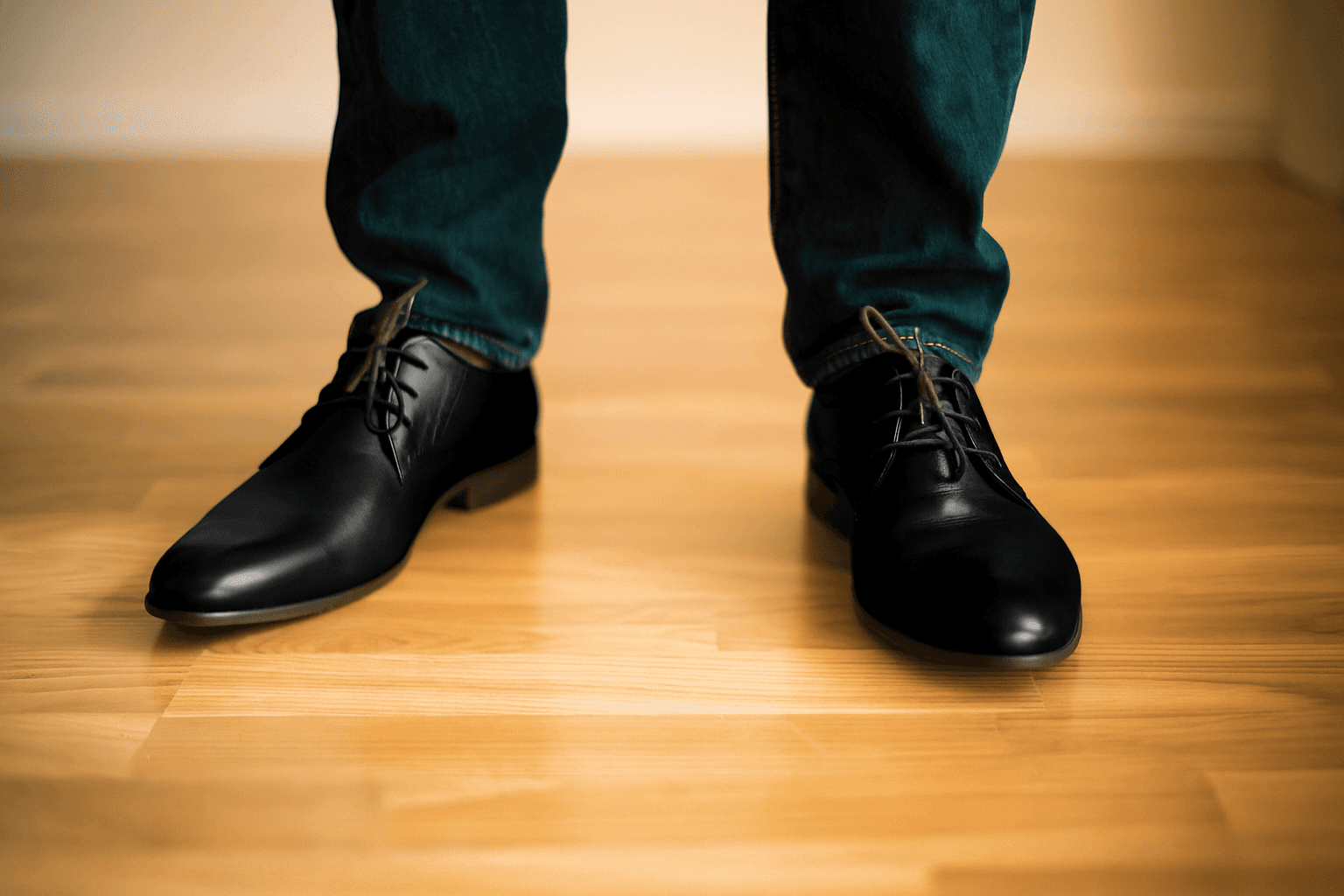
When it comes to formal men’s footwear, the Allen Edmonds Park Avenue is widely regarded as a gold standard. It’s a cap-toe Oxford dress shoe that has been worn by U.S. presidents, CEOs, and style-conscious gentlemen for decades. At first glance, the Park Avenue exudes quality – the calfskin leather uppers are impeccably smooth with a rich luster that immediately elevates your suit or dress attire. The classic closed-lacing Oxford design with a neat cap-toe makes it appropriate for the most formal occasions, from important business meetings to weddings and black-tie events. It’s the kind of shoe that signals refinement and attention to detail, helping you make a strong impression when it matters most.
One of the biggest advantages of the Park Avenue (and Allen Edmonds shoes in general) is its construction quality and longevity. These shoes are made in the USA and built with 360-degree Goodyear welt construction, meaning the leather upper is stitched to the sole via a welt that runs around the shoe. This method not only makes the shoes durable and supportive, but it also means they can be recrafted (resoled and refurbished) by the manufacturer or a cobbler when the soles eventually wear out. In practice, a well-cared-for pair of Park Avenues can last for many years – even decades – making the higher initial investment worth it over time. Inside, the leather lining and insole will gradually mold to your feet, and while the leather sole is firm, it provides an elegant, sturdy base. This shoe is best for someone who frequently needs to dress formally or appreciates classic style. If you want a reliable go-to dress shoe that combines comfort (after a brief break-in) with timeless style and exceptional durability, the Allen Edmonds Park Avenue is hard to beat.
Rugged waterproof boot for work or winter
Waterproof leather and sealed seams
400g insulation keeps feet warm
Padded collar and support for comfort
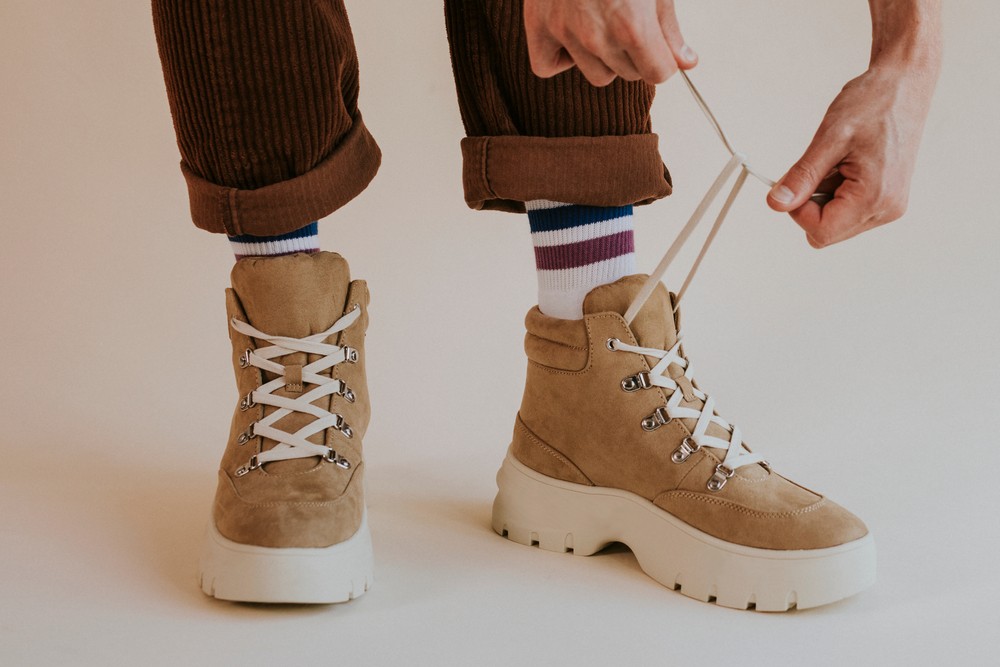
The Timberland 6-Inch Premium Boot is often simply referred to as “Timbs,” and it has earned an almost legendary status in both workwear and streetwear circles. Originally designed decades ago as a rugged work boot, it features seam-sealed construction and premium waterproof leather that can handle rain, snow, and mud without flinching. The iconic wheat-yellow nubuck version, in particular, has become a fashion statement of its own, but every color variant carries the same practical benefits. With a high ankle that supports and protects, this boot is ideal for anyone who needs reliable footwear for tough conditions or just wants that bold boots look as part of their style. The metal eyelets and thick laces ensure a secure fit, and the overall build feels substantial in hand – a sign of durability.
Comfort is also a key part of why the Timberland Premium Boot remains so popular. Inside, it features a cushioned anti-fatigue footbed that reduces foot strain during long days of wear. Additionally, it’s packed with 400 grams of PrimaLoft insulation, which means it will keep your feet warm when the temperature drops. This, combined with a padded leather collar around the ankle, ensures your feet and ankles stay cozy and supported even in cold weather. The outsole is a heavy-duty rubber lug sole, providing great grip on slippery or uneven surfaces and adding to the boot’s lifespan. These boots are perfect for someone who wants footwear that can transition from a fall or winter commute in the city to an outdoor adventure. They do weigh more than sneakers or dress shoes, but you get rugged protection, support, and a distinctive style that has stood the test of time.
Reliable running shoe for daily training
Responsive Zoom Air foam cushioning
Breathable mesh upper keeps feet cool
Durable rubber outsole for high mileage
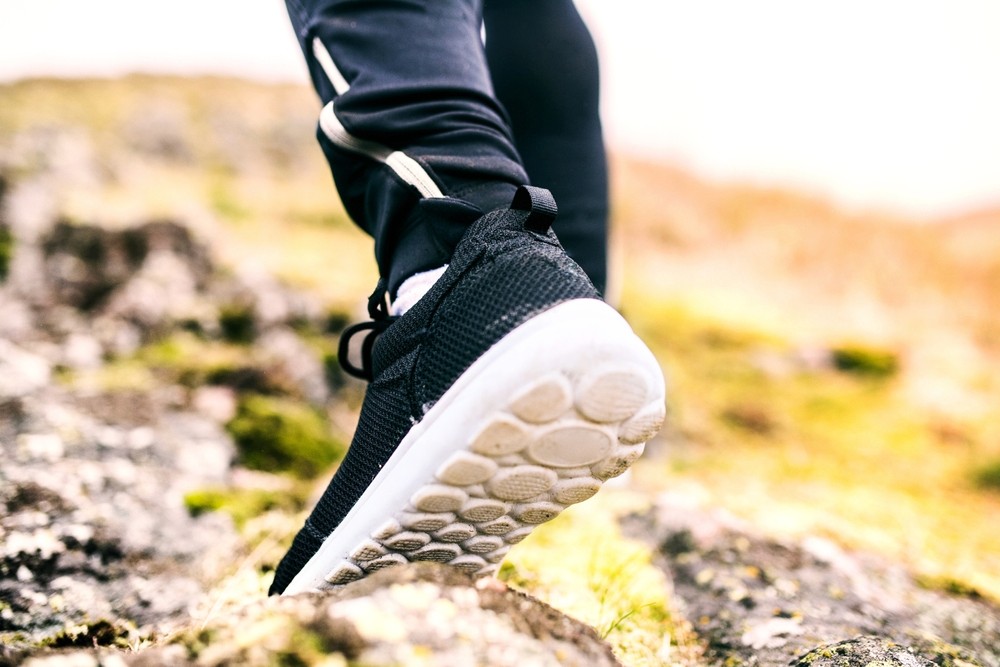
If you’re active or just getting into running, the Nike Air Zoom Pegasus is a top pick as an all-around running shoe. Now on its many iterations over the years, the Pegasus line has consistently provided a reliable mix of comfort, performance, and durability – earning a reputation as a “workhorse” shoe for daily runs. The look is sporty yet sleek, and it comes in a range of colors, so you can easily wear it to the gym, on a run through the neighborhood, or even as a casual sneaker on the weekend. The upper of the Pegasus is made from a lightweight engineered mesh, which allows plenty of airflow to keep your feet cool. This mesh moves with your foot and has a bit of stretch, ensuring a snug but not restrictive fit across different foot shapes.
The key feature, however, is in the sole: the Pegasus uses a combination of foam cushioning and Zoom Air units to give a responsive, slightly bouncy feel underfoot. In practice, this means the shoe absorbs impact when your foot strikes the ground and then helps propel you into the next stride with a bit of energy return. Many runners appreciate this feel for runs of any distance by reducing impact on your joints. The outsole is made of tough rubber with a waffle-like tread pattern that provides good traction and holds up well even if you rack up high mileage. Overall, the Nike Air Zoom Pegasus is best for someone seeking a do-it-all athletic shoe – whether you’re training for a 5K or just want a comfortable sneaker for everyday use. It offers a balance of cushioning and support that’s hard to match at its price point.
Iconic canvas sneaker for everyday style
Classic canvas upper in high or low top
Vulcanized rubber sole with grip pattern
Lightweight, simple design across generations
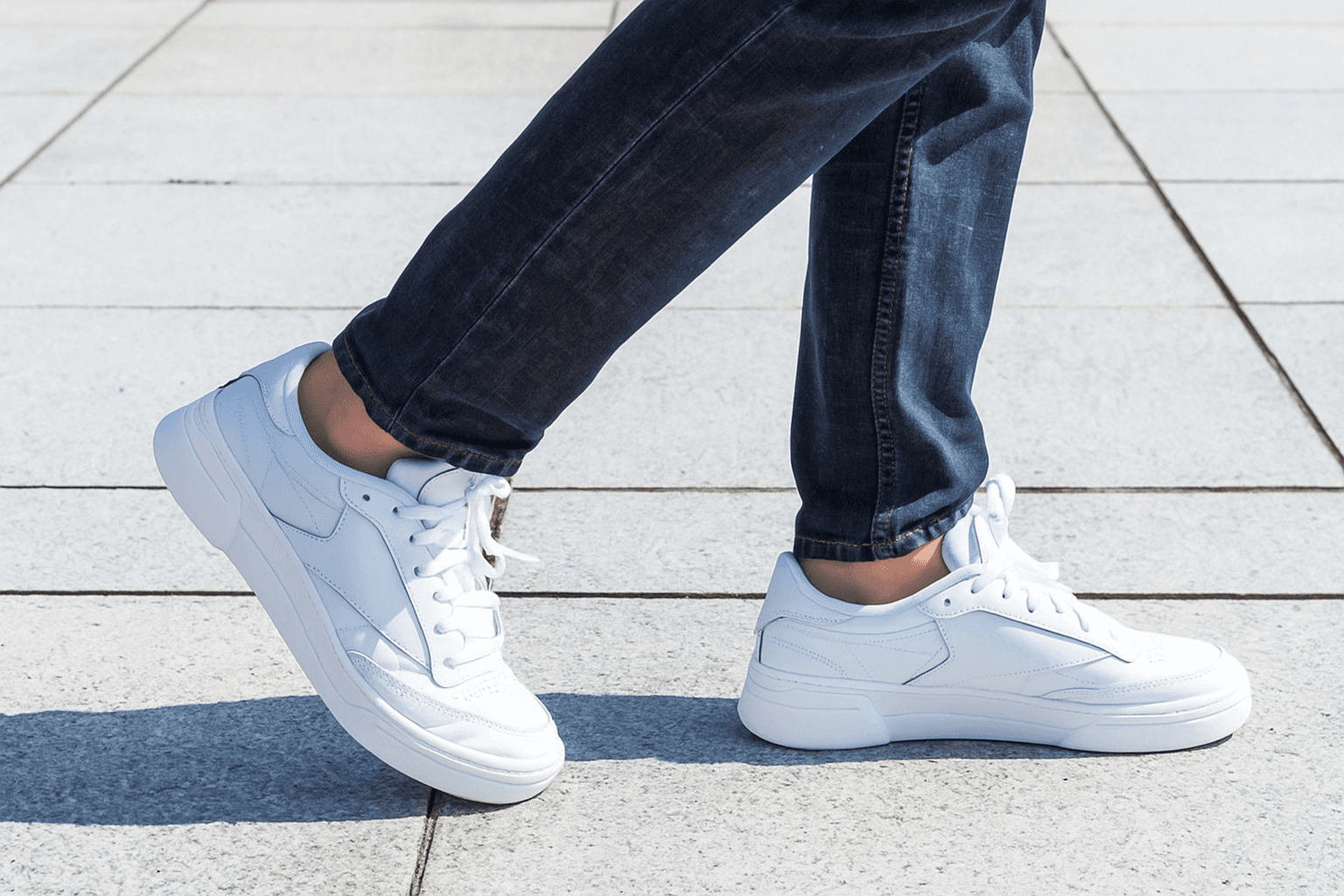
The Converse Chuck Taylor All-Star is arguably one of the most recognizable sneakers ever made. With its simple canvas upper, rubber toe cap, and star-emblazoned ankle patch (on the high-top version), this shoe carries a piece of history with it. It originated as a basketball shoe early in the 20th century, but today it’s a casual wardrobe staple for just about everyone – from students to rock stars. One reason for its enduring popularity is its simplicity: the design is minimal and clean, which means it complements almost any casual outfit. You can throw on a pair of Chucks with jeans and a t-shirt or shorts, and they never seem out of place. They come in both high-top and low-top styles, and in a wide array of colors and patterns to fit anyone’s taste.
Aside from style, the Converse All-Star is loved for its lightweight, broken-in feel. The shoes have a flat vulcanized rubber sole and a very minimal structure – no thick padding or fancy support systems here – which gives your feet a lot of freedom to move. This makes them great for everyday wear and activities where you want a basic, comfy sneaker (some people even use them for weightlifting because of the flat sole). While they lack arch support (so they’re not ideal for long treks), they excel as everyday knock-around sneakers and style pieces. They’re also easy on the wallet, usually costing much less than most other sneakers, meaning you get a lot of style for your dollar. The Chuck Taylor All-Stars are best for someone who values classic style and versatility in casual situations. If you’re building a wardrobe of essentials, a pair of Chucks is almost a must-have because of how effortlessly they blend with different looks and how comfortable they feel once you get used to their simplicity.
Classic leather boat shoe for laid-back looks
Hand-sewn leather upper with 360° lacing
Non-marking rubber sole with wave-cut grip
Easy slip-on comfort for barefoot wear
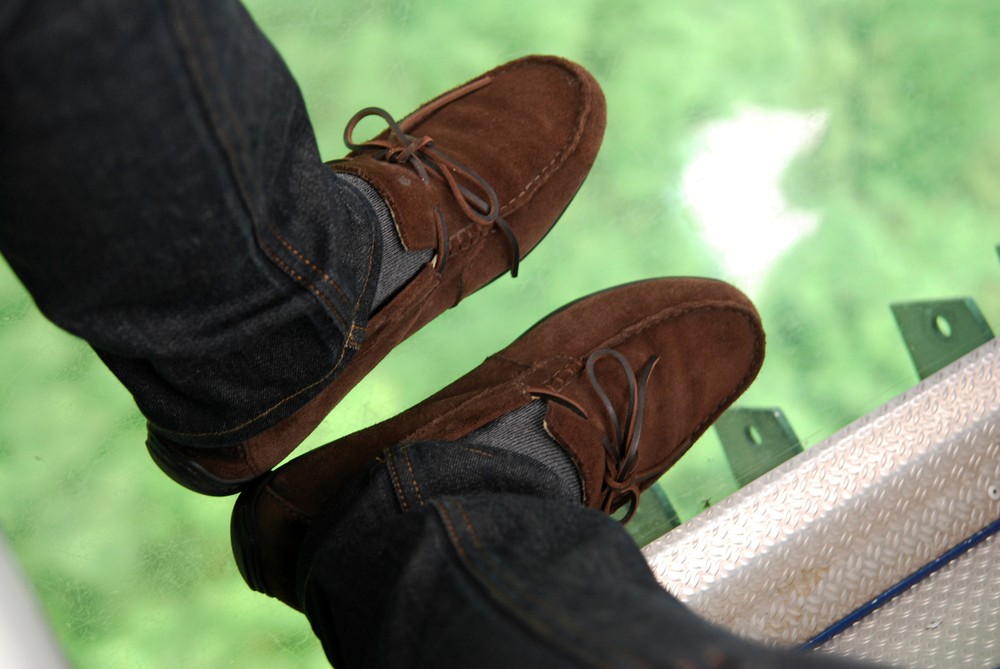
The Sperry Authentic Original Boat Shoe (often just called “Top-Siders”) is the shoe that launched an entire style genre. Designed in the 1930s for sailors, it introduced the siped rubber sole – thin cut grooves in the sole – to provide traction on slippery boat decks. Today, that same feature means the shoes offer reliable grip even on wet pavement or slick floors, and they won’t leave scuff marks behind. The aesthetic is instantly recognizable: a low-profile leather moc-toe construction with rawhide laces (the “360° lacing system”) that you can tighten for a secure fit. The uppers are made of a sturdy yet soft leather that, with wear, adapts to the shape of your foot, yielding a custom fit after you break them in.
In terms of style, Sperry’s Authentic Original is beloved as a go-to casual shoe, especially in spring and summer. They strike a nice balance between dressy and casual. Many men wear them with shorts, chinos, or jeans, often without socks to nail that laid-back coastal vibe. The leather construction and neutral tones (brown, tan, navy, etc.) make them easy to pair with a lot of outfits. Comfort-wise, once broken in, they’re quite comfortable for strolls, weekend outings, or social occasions. The sole has some flex and cushioning, and newer models often include a padded footbed for a bit of extra comfort. They’re not what you’d pick for all-day hiking, but for everyday use and get-togethers, they hold up well. This boat shoe is best for someone who appreciates a classic, preppy style or just wants a low-profile leather shoe for casual wear. They complement warm-weather outfits nicely and age beautifully with use.
Men's shoes encompass all types of footwear designed for male consumers – from sneakers and boots to oxfords and loafers. Investing in quality men’s shoes is about more than just looking sharp (though that’s a nice bonus). At the core, a good pair of shoes supports your feet and can improve your overall comfort every single day. High-quality shoes are typically made with better materials and craftsmanship, which means they fit more comfortably, last longer, and often can be repaired or maintained instead of being thrown out. Over time, this saves you money and hassle because you won’t need to replace your shoes as frequently. For example, a well-made leather dress shoe might cost more upfront, but it could serve you for years or even decades with proper care.
Beyond practical durability, the right shoes also provide intangible benefits. They can add to your confidence – there’s a saying that shoes are one of the first things people notice about your outfit. Knowing you have on a pair that looks good can give you an extra spring in your step. Quality shoes often have supportive insoles and thoughtful design elements that promote foot health, helping you avoid discomfort or pain during long hours of wear. And when it comes to style, investing in timeless shoes means you’ll always have the appropriate footwear for important events, whether it’s a big job interview, a casual weekend outing, or a formal occasion. In short, men’s shoes are a foundation of your wardrobe and daily comfort. Putting some investment into them pays off in how you feel and how you present yourself to the world.
Choosing the right men’s shoes matters because footwear is the literal foundation of every outfit and every step you take. Practically speaking, the wrong shoes can lead to sore feet, back pain, or even injuries – for instance, wearing unsupportive shoes on a long day of walking can result in blisters or aches. On the flip side, the right shoes will cushion and support your feet properly, making a day on your feet feel far less tiring. If you’ve ever spent hours in poorly made shoes versus a great pair, you know the difference in comfort is huge. Your choice of footwear can even affect your posture and the way you walk, so it’s not just a style decision but a health consideration too.
From a style and social standpoint, shoes often complete the impression you make. You might have heard the phrase "dress from the feet up" – well-chosen shoes can tie your whole look together and elevate your appearance, whereas an inappropriate or worn-out pair can undermine an otherwise nice outfit. For example, wearing polished dress shoes with a suit projects professionalism much better than wearing scuffed or casual shoes would. In casual settings, having shoes that fit the activity (be it running shoes for a jog, hiking boots for a trail, or clean sneakers for a hangout) not only functions better but also shows you pay attention to details. Furthermore, certain activities absolutely require the right footwear for safety and performance. If you’re running, you need proper running shoes that absorb impact; if you’re working on a construction site, you’ll need boots with protection and good traction. In summary, choosing the right men’s shoes is important for your comfort, your health, and the image you project. It ensures you’re prepared for whatever your day has in store, both functionally and fashion-wise.
Define Your Shoe’s Purpose
Start by identifying when and where you plan to wear the shoes. Different purposes call for different features. Are you looking for something to wear during business hours, for workouts, or for casual weekends? If you need office-appropriate shoes, focus on Oxfords, loafers, or other dress styles that match formal attire. For athletic use, look at performance sneakers designed for your specific activity. For everyday casual wear, maybe a versatile pair of sneakers or chukka boots is best. Being clear about the primary purpose will narrow your options to the styles that make sense. This way, you’re not trying to run a marathon in loafers or showing up to a formal event in running shoes – each type of shoe is built for its intended context.
Prioritize Proper Fit and Comfort
No matter how great a shoe looks or what it’s made of, if it doesn’t fit your foot well, it’s not the right choice. When choosing shoes, pay attention to sizing (both length and width). Your feet shouldn’t feel pinched or have excessive slipping. It’s often best to try shoes on in the afternoon or evening, since feet can swell slightly throughout the day, ensuring they’ll still be comfortable at day’s end. Check if the shoe has ample cushioning or support where you need it – for instance, running shoes should have good arch support and shock absorption, whereas dress shoes might have a padded insole. Walk around in them if you can, to make sure there are no immediate pressure points or rubbing. A good fit will save you from blisters and foot pain, so it’s worth taking the time to get it right. Remember that different brands can fit differently; don’t be alarmed if you need a half-size up or down from your usual in some models.
Evaluate Quality and Materials
Once you have a style and fit in mind, look at the build quality. Quality materials and construction tend to feel solid and can significantly extend the life of the shoe. For leather shoes, full-grain leather uppers will generally outlast cheaper split leather or synthetic materials, molding to your foot and developing a nice patina over time. In sneakers and athletic shoes, look for sturdy mesh or knit that doesn’t feel flimsy, and check if the outsole uses durable rubber (harder rubber in high-wear areas is a good sign). Also consider how the shoe is put together – for example, stitched or welted shoes (where the upper is stitched to the sole) are often more durable and resole-able, whereas heavily glued shoes might come apart sooner. Higher quality shoes might cost more upfront, but they usually provide better comfort and hold up longer, making them a smarter investment in the long run.
Reflect on Your Personal Style
Finally, make sure the shoe resonates with your personal style and wardrobe. The “best” shoe is one you will actually wear and feel confident in. Think about the colors and clothes you typically wear. If your wardrobe is full of neutral tones and classic pieces, a timeless brown leather boot or simple white sneaker could get a lot of use. If you lean toward athletic or streetwear looks, you might gravitate to trendier sneakers. Consider the shoe’s silhouette too – a chunky boot gives a very different vibe than a slim loafer or sneaker, so make sure it matches how you like to dress. Also, choose something that will complement multiple outfits you already own. When you pick a style that aligns with you, you’ll find yourself reaching for those shoes often, and you’ll feel good wearing them. That confidence and comfort in your choice is the ultimate sign you picked the right pair.
Material & Durability
Take note of what the shoe is made from. Uppers can be leather, suede, canvas, knit, synthetic, or some combination. Each has its pros and cons – for example, genuine leather typically lasts a long time and can be polished or conditioned to maintain its look, whereas mesh fabric is lighter and breathable but might not last as long in rough conditions. Check the thickness and feel of the material: good leather shouldn’t feel thin like paper, and quality fabrics won’t fray easily. Also, inspect the connection between the upper and the sole. Is it stitched, welted, or just glued? A stitched or welted sole generally signifies a sturdier build and the potential for resoling, while a cheaply glued sole might start to separate sooner. If you’re investing in a pricier pair, make sure the materials and construction will stand up to the use you have in mind. Little extras like reinforced eyelets or toe caps can also improve durability.
Comfort & Support Features
Beyond the general fit, look at what comfort technology or support features a shoe offers. Many modern shoes have proprietary cushioning foams or gel pads – if you’re considering running or walking shoes, compare the cushioning levels between models. Some might have extra padding in the heel for shock absorption or special insoles for arch support. If you have specific needs (like flat feet or high arches), pay attention to the insole shape or whether it’s removable (so you can use custom orthotics). In boots or dress shoes, see if there’s any padding around the collar or a cushioned footbed inside; some traditional styles lack these, which could affect comfort for long wear. Also consider the shoe’s weight and flexibility. A lighter shoe with some flex can be more comfortable for extended use, whereas something very stiff might require a break-in period. Features like breathable linings, moisture-wicking insoles, or anti-odor treatments can also add to day-to-day comfort, especially if you’ll be wearing the shoes for long stretches.
Proper Sizing & Fit Details
Before making a final decision, double-check sizing information and fit details. Different brands may run larger or smaller, and some shoes (especially boots or certain dress shoes) offer various width options. Look for brand-specific size charts or customer feedback that mentions fit. If you’re between sizes, going a half-size up is often safer for comfort. Your toes should not be jammed in the front – there should be a little space (about a thumb’s width) in front of your longest toe. At the same time, the shoe should cradle your heel so it doesn’t slip when you walk. Try shoes on with the socks or insoles you plan to wear, and read return policies if buying online in case you need to exchange for a different size. Taking the time to get the right size and fit will save you a lot of discomfort down the line.
Style & Wardrobe Compatibility
Lastly, evaluate the shoe’s style in the context of your wardrobe. Sometimes an eye-catching shoe catches your attention, but if it doesn’t match anything you wear, it might end up sitting in the closet. Think about a few outfits or occasions you would wear the shoes for. Is the color something you can coordinate easily? Neutral colors like black, brown, white, or navy tend to pair with more outfits, whereas a bright or unique color might be fun but less of an everyday choice. Consider the overall vibe of the shoe as well – is it sleek and dressy, or chunky and casual? Make sure that vibe aligns with how you dress. Consider the shoe’s silhouette too – a chunky boot gives a very different vibe than a slim loafer or sneaker, so make sure it matches how you like to dress. The goal is to choose footwear that enhances your look and that you’ll feel excited to wear regularly. The best option will feel like a natural extension of your personal style.
Choosing the right men’s shoes comes down to knowing your needs and not compromising on comfort or quality. A smart approach is to match the shoe to its intended use, ensure it fits well, and opt for the best materials your budget allows so it lasts.
Identify the main purpose and pick a shoe designed for that use.
Always prioritize a good fit – your feet should feel supported without pain or rubbing.
Look for quality construction (sturdy materials, good stitching) so your shoes last longer.
Consider your personal style and choose something you’ll feel confident wearing often.
What’s the best way to find my correct shoe size?
Measure your feet (length and width) at the end of the day when they’re slightly swollen. Check the brand’s size chart and reviews (some shoes run large or small). Aim for a fit where your toes have slight wiggle room and your heel is secure without rubbing.
Why not just buy a luxury brand?
How do I care for my shoes to make them last longer?
When should I replace my running shoes?
How do I store my shoes properly when not in use?