
8 Versatile Camera Picks for Every Kind of Photographer

Sony A7 IV
Hybrid All-Rounder for Photo + Video
33 MP full-frame sensor
10-bit 4:2:2 4K video up to 60p
Strong autofocus with eye/animal tracking
Sony A7R V
Resolution king for studio & landscapes
61 MP full-frame back-illuminated sensor
AI-enhanced subject recognition
Excellent detail retention and dynamic range

Nikon Z50 II
Compact, lightweight enthusiast’s mirrorless
APS-C sensor, small body
4K video and good autofocus
Comfortable ergonomics and lens ecosystem

Fujifilm X‑S20
Hybrid APS-C for creators
6.2K video, in-body image stabilization (IBIS)
Classic Fujifilm color science
Compact but full of features
Sony Alpha ZV‑E10
Creator/vlogger–focused camera
Flip-out screen and USB streaming support
Fast autofocus and background defocus mode
Interchangeable lenses with APS-C sensor

OM SYSTEM OM‑1 Mark II
Rugged outdoor and wildlife choice
Weather-sealed, compact body
Computational photography features
Strong stabilization system

Panasonic Lumix S5 II
Video-forward full-frame hybrid
Full-frame dual-native ISO design
Strong video capabilities, ProRes support
Balanced for stills and video creators
Kodak PIXPRO WPZ2
Rugged compact for adventure & fun
Waterproof, dustproof, shock-resistant
16.4 MP sensor, built-in zoom
Great for hiking, snorkeling, kids
Sony A7 IV
Hybrid All-Rounder for Photo + Video
33 MP full-frame sensor
10-bit 4:2:2 4K video up to 60p
Strong autofocus with eye/animal tracking
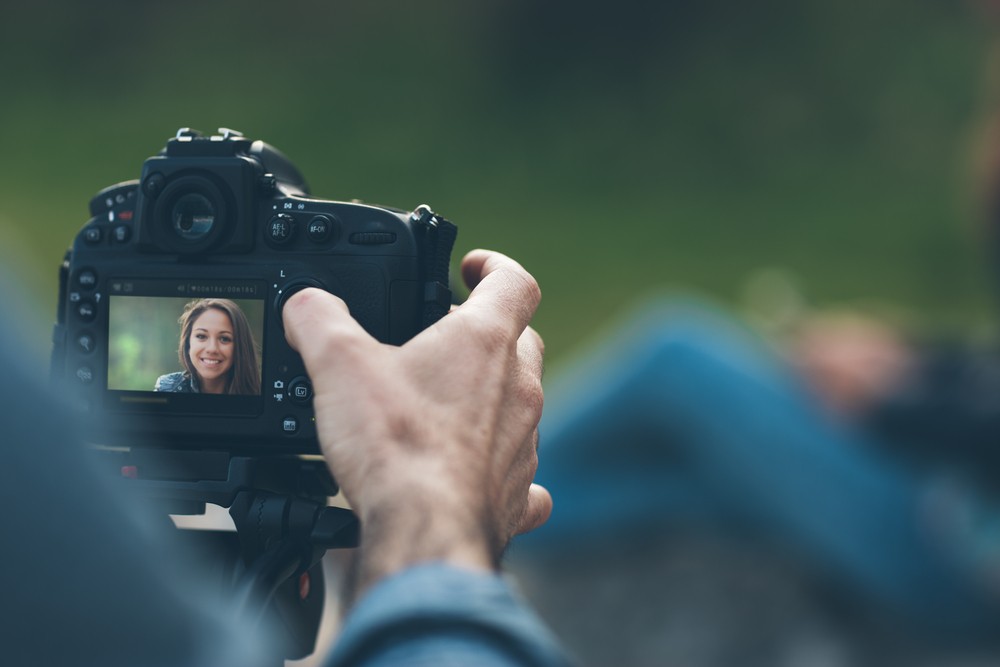
Sony’s A7 IV sits at the sweet spot: it handles demanding stills work while offering advanced video features. It uses a back-illuminated Exmor R 33 MP full-frame sensor. The camera supports 10-bit 4:2:2 internal recording in 4K up to 60p (in cropped or Super35 mode) and delivers excellent autofocus performance, including subject and eye tracking for humans, animals, and birds.
This model suits creators who want to do both strong still photography and video work without switching bodies. The image quality offers good detail and dynamic range; many reviewers note ~15 stops dynamic range and “7K oversampling to 4K” capabilities to reduce artifacts. The stabilization, autofocus, and video features make it flexible across many shooting circumstances.
You should pick the A7 IV if you want one camera to handle portraits, landscapes, content creation, travel, or mixed-use shoots. It gives headroom for growth and covers most needs before stepping up to more specialized gear.
Resolution king for studio & landscapes
61 MP full-frame back-illuminated sensor
AI-enhanced subject recognition
Excellent detail retention and dynamic range

The Sony A7R V pushes things further into the high-resolution domain. With a 61 MP sensor and advanced image processing, it’s built for capturing fine detail that holds up in large prints or heavy cropping. This is ideal for landscape, studio, or archival work where resolution matters. The AI-enabled subject recognition helps with auto-detection and tracking even in complex scenes.
If your work centers on static subjects—architecture, art reproduction, landscapes, fine art—you’ll benefit from the resolution headroom. It’s less ideal for fast action, but acceptable for many use cases. In short: lean toward the A7R V when detail and image quality are your priority over speed.
Compact, lightweight enthusiast’s mirrorless
APS-C sensor, small body
4K video and good autofocus
Comfortable ergonomics and lens ecosystem
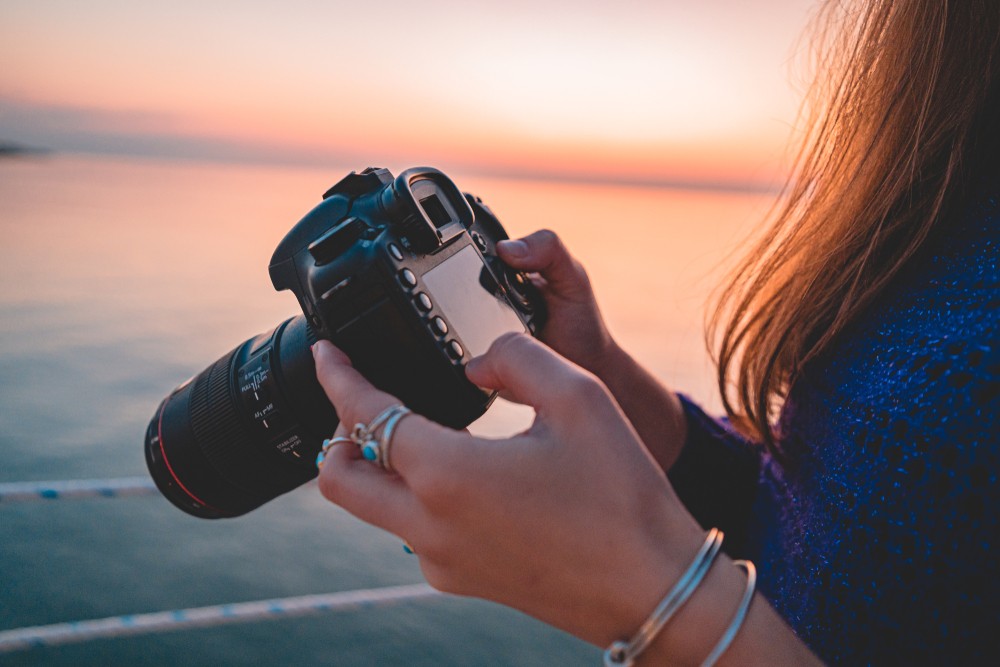
The Nikon Z50 II is an APS-C (DX) mirrorless camera designed for portability without sacrificing performance. Its compact body and lighter weight make it easy to carry all day. Despite the smaller sensor, it can record 4K video and delivers a robust autofocus system suited for a wide range of scenes.
This camera is a great match for travelers, street photographers, and hobbyists who want flexibility without hauling full-frame gear. It also allows access to Nikon’s Z-mount lenses and adaptor options. If your style leans toward walking shoots, everyday photography, or a balanced budget, this model gives a lot of capability in a lighter package.
Hybrid APS-C for creators
6.2K video, in-body image stabilization (IBIS)
Classic Fujifilm color science
Compact but full of features
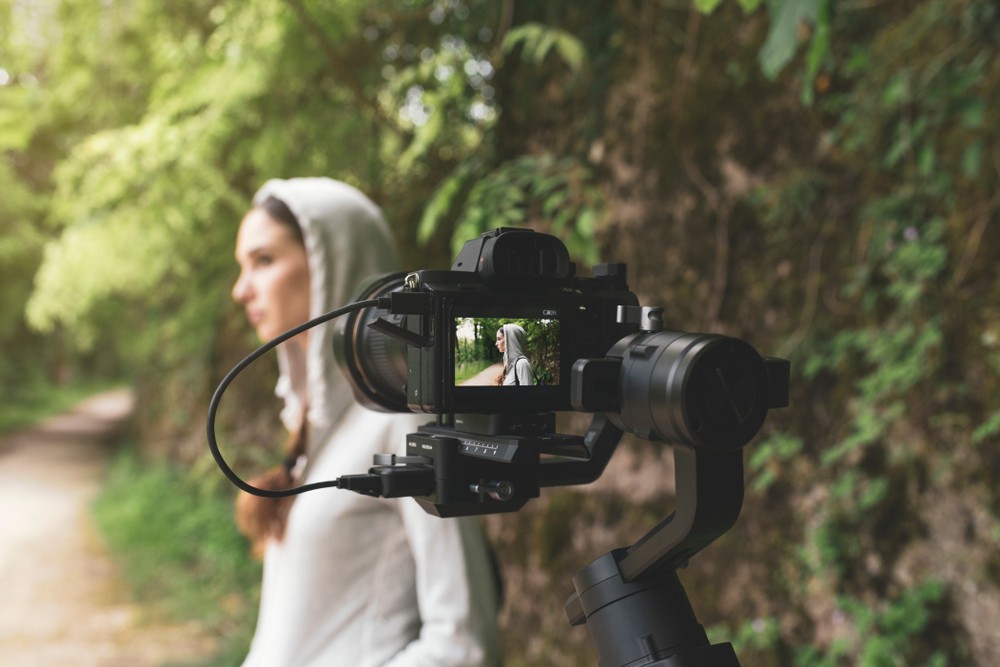
The Fujifilm X-S20 blends strong video specs with Fujifilm’s signature color rendering. It offers 6.2K or 4K video capture along with a strong in-body image stabilization system, which helps you handhold in low light or dynamic shooting. Its body remains relatively compact. For creators wanting strong video plus still flexibility, this is a compelling option.
If much of your work includes mixed content (video + photos), especially in non-studio settings, the X-S20 delivers creative color control and stable shooting in a lighter form. It balances control and usability for content creators.
Creator/vlogger–focused camera
Flip-out screen and USB streaming support
Fast autofocus and background defocus mode
Interchangeable lenses with APS-C sensor
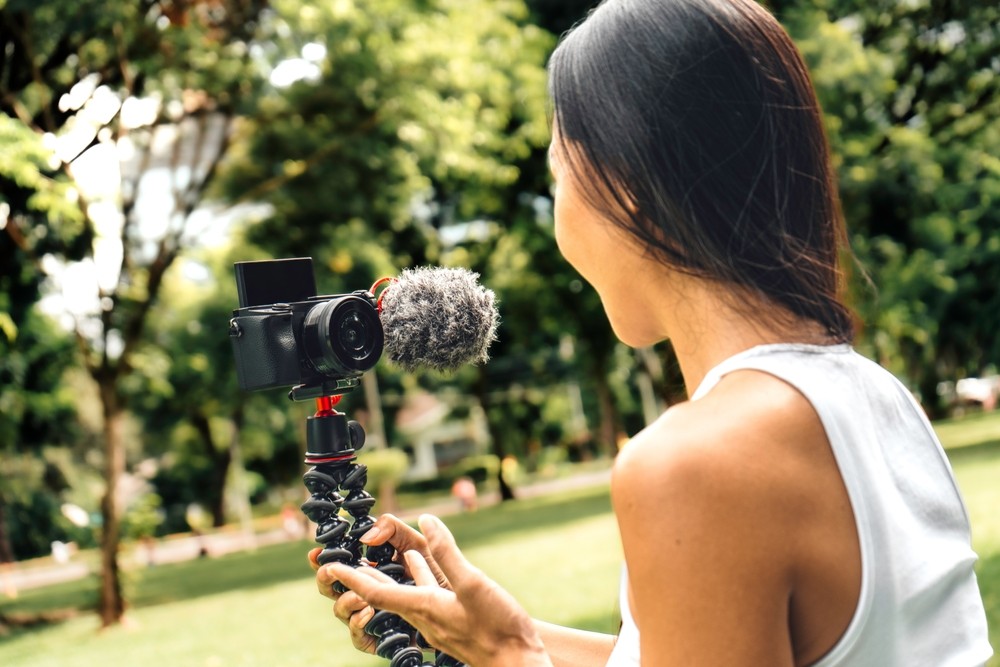
The Sony Alpha ZV-E10 is purpose-built for content creators and vloggers. It provides a fully articulating screen, features for live streaming via USB, and modes tailored to product showcase or talking-head shoots (e.g. the “Product Showcase” autofocus mode). Its APS-C format keeps the body smaller and more manageable.
This is a top pick if you create video-first content: YouTubers, streamers, vloggers. The ZV-E10 gives you control beyond what a smartphone offers, especially when paired with lenses. If your focus is real-time content creation or run-and-gun video, this camera is designed for you.
Rugged outdoor and wildlife choice
Weather-sealed, compact body
Computational photography features
Strong stabilization system
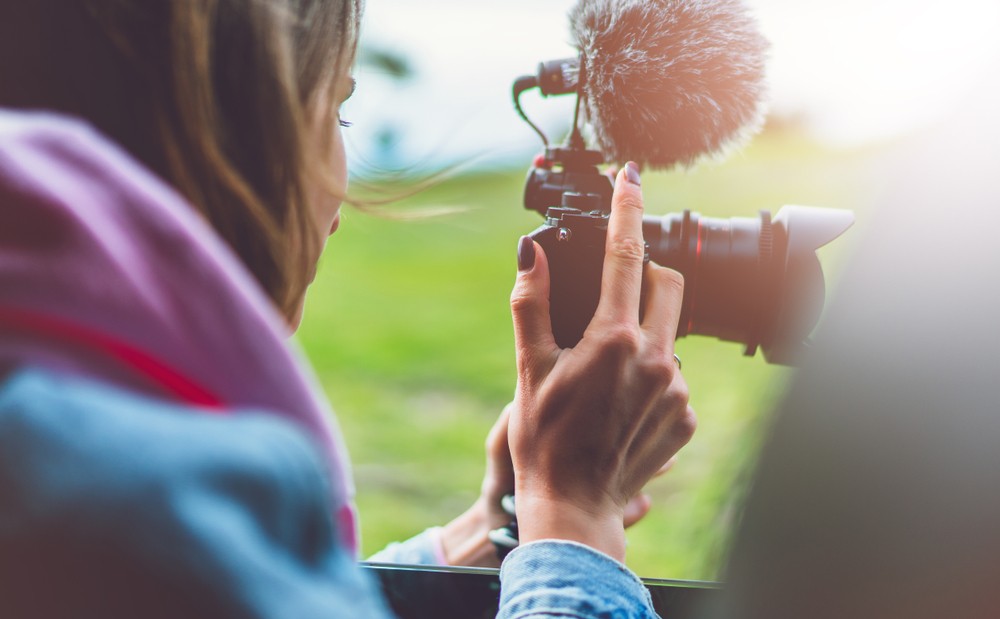
The OM SYSTEM OM-1 Mark II (branded formerly under Olympus heritage) packs advanced computational photography alongside rugged durability. The body is weather-sealed, compact, and built for field work. Its stabilization and subject-detection capabilities make it helpful in wilderness, wildlife, action, or adventure shooting.
Choose this when shooting in rough conditions matters — hiking, wildlife, nature, or expedition work. You want a camera that tolerates moisture, dust, and challenging environments while still delivering strong image quality.
Video-forward full-frame hybrid
Full-frame dual-native ISO design
Strong video capabilities, ProRes support
Balanced for stills and video creators
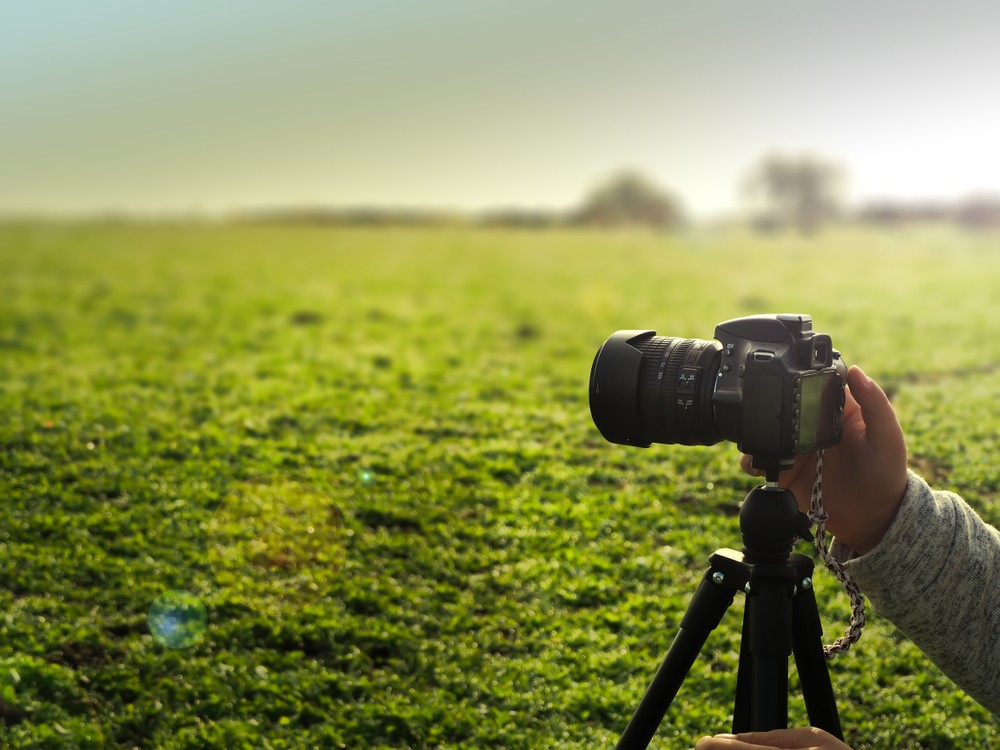
The Panasonic Lumix S5 II leans toward creators who split time between video and photography. It has a full-frame sensor with dual-native ISO circuitry, reducing noise in low-light and improving video performance. It supports high-end video codecs (like ProRes) and offers a balanced handling style for both stills and motion tasks.
If you're doing commercial video, short films, brand content, or mixed shoots, this option gives you cinematic tools plus stills reliability. It’s a solid step beyond consumer video-focused cameras without going fully into cinema territory.
Rugged compact for adventure & fun
Waterproof, dustproof, shock-resistant
16.4 MP sensor, built-in zoom
Great for hiking, snorkeling, kids
This is a rugged compact aimed at people who want a durable point-and-shoot. The Kodak PIXPRO WPZ2 handles moisture and rough handling. Its built-in zoom, simple controls, and durability make it ideal for casual adventure, snorkeling, or family outings.
Pick this when you don’t want to stress about exposure, dust, or rain but still want to capture memories. It won’t compete with full-frame beasts, but in its class, it offers fun and resilience.
What Are Modern Cameras and Why You Should Invest in One
At its core, a camera is a tool that captures light through a sensor, lens, and processing engine. Modern digital cameras combine optics, electronics, software, and mechanics to transform what you see into a photograph or video file that you can use, edit, and share. While smartphones have made photography accessible, investing in a dedicated camera offers advantages that go beyond convenience. With larger sensors, superior lenses, and manual controls, cameras provide higher image quality, better noise reduction, and precise depth-of-field management — all essential for capturing professional-grade visuals.
A good camera also expands creative and practical possibilities. You can swap lenses to suit your artistic vision, shoot in RAW for post-processing flexibility, and rely on durable hardware designed to last for years. Features like fast burst rates, advanced autofocus, and efficient buffering make it easier to capture fleeting moments with accuracy. Whether you aim to create professional content, sell prints, or simply refine your craft, a reliable camera enhances both output and experience. It not only improves results but also nurtures creativity, helping your skills evolve as your ambitions grow.
Why Choosing the Right Camera Matters
Choosing the right camera isn’t about chasing the biggest sensor or the flashiest specs — it’s about finding a tool that aligns with your shooting style, habits, and creative goals. A well-suited camera helps you save time, achieve better results, and enjoy the process more. If your camera feels intuitive, light, and comfortable, you’ll use it more often, learn faster, and create more meaningful work. On the other hand, mismatched gear can become a costly mistake. Lenses, filters, and accessories can easily surpass the price of the camera itself, and choosing the wrong system for your style — like buying into one with poor telephoto options if you love wildlife — can lead to frustration and unnecessary spending down the road.
A good camera also complements your workflow and creative growth. Whether you prioritize video, portraits, or landscapes, your gear should support your craft — with the right autofocus, color science, stabilization, or image quality where it matters most. It should also grow with you, offering features that challenge and inspire without overwhelming. Durability and reliability are equally crucial for long shoots or outdoor work, while strong resale value and an upgrade path ensure your investment holds up over time. Ultimately, the right camera becomes more than a device — it’s a creative partner that motivates you to shoot, evolve, and express your vision with confidence and joy.
How to Choose the Best Option for Your Needs
Sensor Format & Resolution
Full-frame (35mm equivalent) sensors offer better low-light performance, shallower depth of field control, and often superior dynamic range. However, APS-C sensors are smaller, cheaper, and can be more compact. If you mostly shoot portraits, landscapes, or commercial work, full-frame is compelling. For travel, street, or casual content, APS-C often suffices. High-resolution (e.g. 50–60 MP) is useful for large prints or cropping; lower resolution often gives better noise performance and faster file handling.
Photo vs. Video Priorities
If your primary use is stills, focus on sensor image quality, dynamic range, and autofocus for subjects. If your use includes video, look for cameras with 10-bit internal recording, unlimited or long record times, good heat management, and modern codecs. Some cameras are hybrids but lean stronger one way; choose based on your balance.
Lens Ecosystem & System Longevity
A good camera body means nothing if you lack suitable lenses. Choose systems with strong native lens lineups, third-party support, and upgrade paths (e.g. adapters). Also check mount compatibility and ease of switching systems down the road.
Portability, Durability & Handling
If you shoot in the field, ruggedness, weather sealing, compactness, and weight matter. Comfort and button layout influence whether you enjoy extended shoots. For travel or outdoor use, a lighter, sealed camera is preferable. For studio use, weight is less critical.
What to Pay Attention to Before Choosing
Lens Compatibility & Adaptability
A robust lens library ensures flexibility. Some camera systems support adapting lenses from older catalogs (e.g., using F-mount, EF, or legacy lenses). But using adapted lenses often comes with trade-offs in autofocus speed or function. Prefer native lens support, and check availability of prime, zoom, macro, tilt-shift, and specialty lenses you might need.
Buffer, Card Support, and Data Rates
When you shoot bursts or video, the camera’s buffer size (how many frames it can hold before slowing) and card write speed become critical. If files are large (e.g. 10-bit video), make sure the camera supports high-speed media (CFexpress, V90 SD). A camera hampered by slow write rates will frustrate you.
Heat Management in Video
Some cameras limit 4K/10-bit video runs because of heat. If you shoot long-form video (interviews, wedding segments), make sure the camera can sustain extended recording without cutoff or overheating.
Stabilization + Lens IS Integration
Check if stabilization is in the body, lens, or both—and whether they work together (dual IS). This matters especially if you shoot handheld video, low-light stills, or use telephoto lenses.
Quick Recap
Choosing a camera isn’t just about comparing specs — it’s about finding one that fits your shooting style and creative goals. Think about what you capture most often — stills, video, travel, or studio work — and how frequently you’ll carry your gear. Prioritize essentials like sensor size, lens ecosystem, autofocus, image stabilization, and overall usability. If you create video content, make sure the camera’s video capabilities match your needs in resolution, frame rates, and codecs.
Beyond features, consider how the camera feels in your hands, the longevity of the system, and the brand’s upgrade path. Whenever possible, test the camera before buying to ensure it suits your workflow and comfort. When your choice aligns with both your shooting habits and the system’s strengths, you’ll end up with a camera that supports your growth — not one you outgrow too quickly.
How important is lens quality compared to the camera body?
Very important. A lower-tier body with excellent lenses often outperforms a high-end body with weak lenses. Lenses tend to last longer and transfer value across camera upgrades.
What’s the difference between full-frame and APS-C sensors?
Do I need 4K video or 10-bit recording?
Can I use old DSLR lenses on mirrorless bodies?
When should I upgrade my camera body?